
Full Circle: My Journey as an Educator and Restorative Justice Consultant
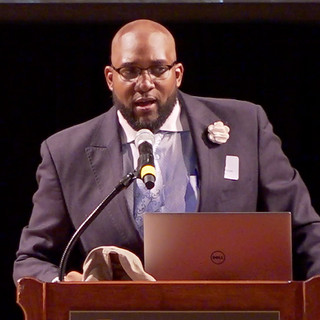

Teaching is my passion. Over more than 30 years, that passion has carried me from classrooms filled with young people to rooms filled with educators, community leaders, and policymakers. The settings have changed, but the heart of my work remains the same: helping people learn, recognize their potential, and build healthier relationships with one another.
I caught the teaching bug as a college student while working at Northfield Mount Hermon Summer School in Massachusetts over two summers. As a teacher and counselor, I had the privilege of working with students from around the world. For some, I was their first teacher of African descent. That experience gave me an early understanding of the significance of representation and the relationships we build as educators.
What I remember most is the joy of being with those young people. We brought different backgrounds and experiences into the classroom, and we had opportunities to learn from one another. Those summers left an impression on me that has never faded.
One memory still makes me smile. I taught an acting class alongside a colleague and had the opportunity to show the students my modest acting skills. My colleague did a much better job of captivating their imaginations! Yet the laughter, creativity, and connection we shared helped me discover how much I loved teaching. I was beginning to understand that education happens through the relationships we nurture as well as the lessons we prepare.
That discovery followed me from Northfield to Chicago, where my journey as an educator continued to grow. Teaching math, language arts, and spelling gave me opportunities to support students academically. Being present in their lives also deepened my understanding of the social and emotional conditions that shape learning. Students brought their hopes, struggles, relationships, and experiences into the classroom each day. Teaching required me to pay attention to the whole person.
Over time, that understanding became central to my work in restorative justice. My experiences with Community Panels for Youth and later at Fenger Academy High School challenged me to think deeply about how we respond when harm occurs. How do we hold young people accountable while helping them grow? How do we support those who have been harmed? How do we build a school community where people feel valued and take responsibility for one another?
These questions helped shape the educator and consultant I am today.
Restorative Strategies, LLC grew out of this journey. Through my company, I continue to teach, but my classroom has expanded. I work with schools, districts, nongovernmental organizations, and municipalities to strengthen relationships, develop restorative practices, and examine the systems that guide their responses to conflict and harm.
My focus now includes social-emotional learning, restorative leadership, and helping institutions reduce their reliance on zero-tolerance practices that can push young people away from the support they need. Addressing the school-to-prison pipeline requires us to examine everyday decisions alongside institutional policies. It also requires us to equip adults and young people with the skills to listen, accept responsibility, repair harm, and move forward.
This work has taken me into conversations across the country. I continue to share a conviction rooted in my years as an educator: We cannot punish our way into healthy communities. We must invest in relationships and teach the practices that make accountability and repair possible.
My journey has also led me to develop Aspirational Justice, a framework grounded in the principle of “repair first, then reconciliation.” It reflects my continuing commitment to ask what people and communities need after harm—and what responsibility we have to respond through meaningful action.
Today, my work extends into international conversations about reparatory justice. Serving on the City of Chicago’s Black Reparations Task Force and participating in the United Nations Permanent Forum on People of African Descent have given me opportunities to connect the lessons of my educational journey to broader questions of historical harm, institutional responsibility, and repair.
There is something deeply meaningful about this stage of my life. My teaching journey began with students from around the world gathered in a classroom in Massachusetts. Decades later, I am once again learning and contributing in an international space, carrying the experiences of the young people, educators, and communities who have shaped me along the way.
For me, this is what it means to come full circle.
I am still an educator. I am still learning. And I am still passionate about helping people create communities where dignity, accountability, and belonging are part of everyday life.
Teaching remains my passion. Restorative justice is how that passion continues to grow.
I invite you to explore Restorative Strategies, LLC to learn more about my consulting, training, and facilitation work. To explore the thinking that guides this next chapter of my journey, I also invite you to purchase Aspirational Justice—A Pathway Toward Healing and Reconciliation to learn about my views on Reparatory Justice.


Comments